
ONTARIO PARKS

ONTARIO
PARKS
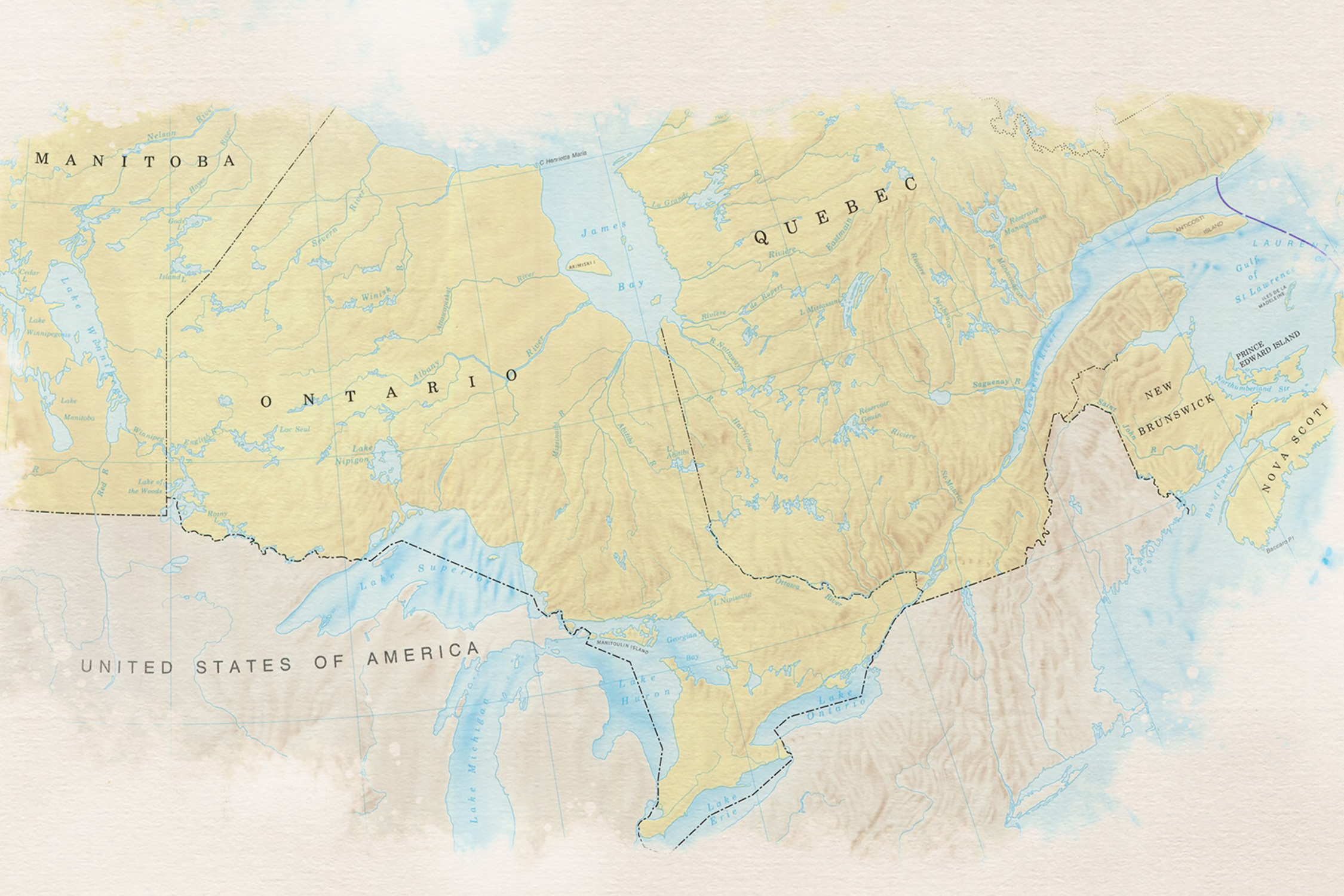
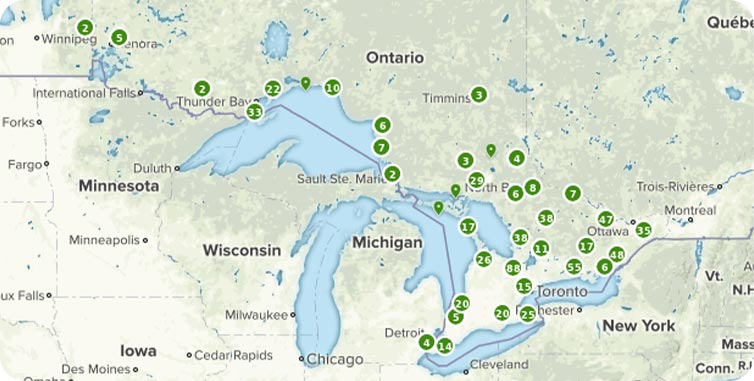
The Ontario Parks system stretches over 125 years. It began in 1893 with the creation of Algonquin Provincial Park. In 1954 the management and creation of provincial parks came under the Department of Lands and Forests. There are now 330 provincial parks comprising 8% of Ontario's landmass which is an area larger (over 82,000 km2) than the Provinces of Nova Scotia and PEI combined.
Start Exploring:



ONTARIO PARKS
From their early beginnings, Ontario’s parks were created to preserve nature and create lasting connections between people and the outdoors
Tap On Buttons To Explore
 Origins
 Expansion
 Education
 Our Future
Creation of First Parks
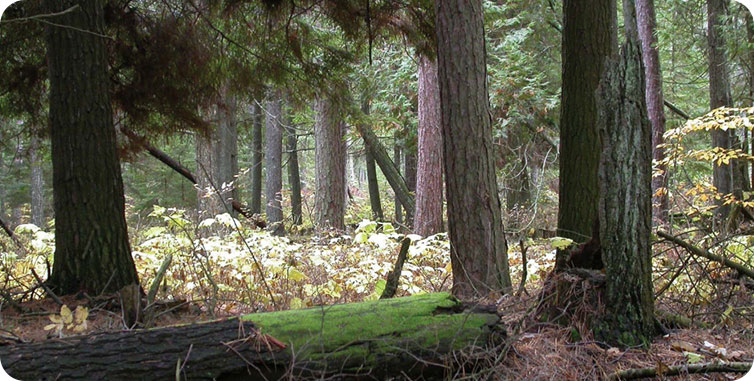
Ontario's first provincial parks were created to protect forests, rivers, lakes, wildlife, and natural landscapes for enjoyment, discovery, and future generations' learning.
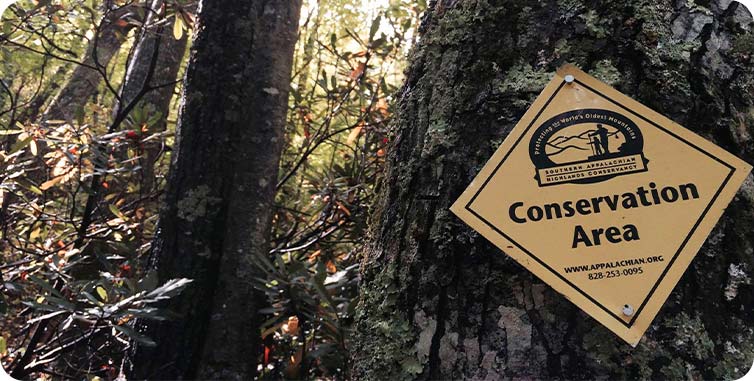
Early Conservation Goals
Early park efforts focused on protecting wilderness from logging, hunting, mining, and industries, ensuring forests, lakes, and wildlife habitats survived safely for everyone.
Park System Growth
Ontario’s provincial park system expanded quickly, adding recreation areas and reserves across regions, giving communities safe green spaces and visitors more outdoor opportunities.
Tourism and Activities
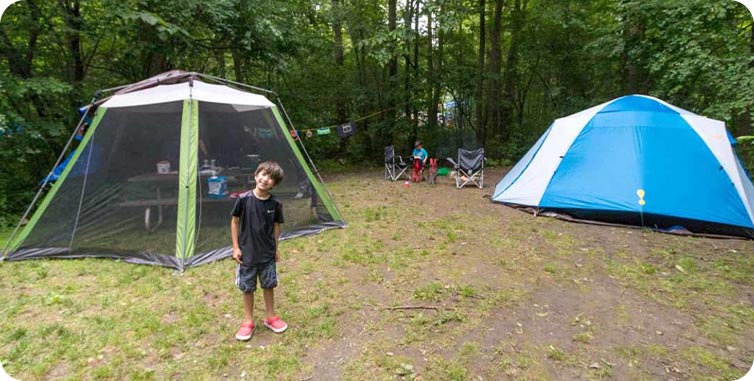
Parks promoted camping, hiking, canoeing, birdwatching, and family trips, making outdoor experiences affordable, accessible, and very popular for visitors of every age.
Visitor Learning Programs
Ontario’s provincial park system expanded quickly, adding recreation areas and reserves across regions, giving communities safe green spaces and visitors more outdoor opportunities.
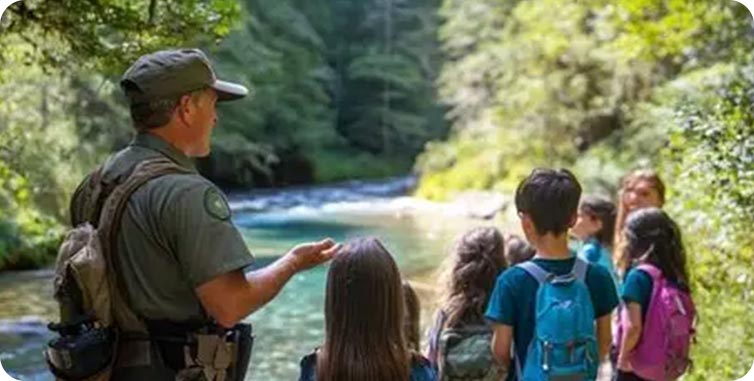
Nature Awareness Growth
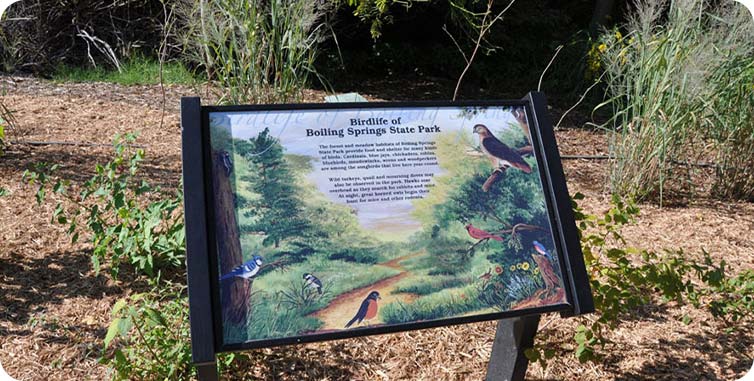
Guided tours, signs, interpretation centers, and exhibitions helped visitors better understand wildlife, plant life, and the importance of protecting fragile environments together.
Shaping Safe Future
Ontario parks now focus on protecting biodiversity, promoting inclusivity, and keeping parks safe, clean, welcoming, and eco-friendly for all future generations to enjoy.


Better Visitor Experiences
New technology tools, upgraded green facilities, and improved accessibility help people enjoy nature while also learning about environmental care and conservation.
Tap On Arrow Buttons To Explore
ONTARIO PARKS
Access essential services and information to make your visit safe, convenient, and enjoyable across Ontario Parks

Information
Activities
Classifications

Maps Available
Free digital and printed maps at all entry points

Lost & Found
Free digital and printed maps at all entry points

Emergency Help
Ranger stations & first-aid posts located throughout park grounds.

Guided Tours
Join seasonal tours led by expert naturalists and park rangers.

Adventure & Recreation
Parks offering thrilling activities like kayaking, mountain biking, or winter skiing, giving visitors exciting experiences while enjoying Ontario’s natural beauty.

Wildlife & Habitat
These parks safeguard essential habitats for countless species, from migratory birds to rare mammals, ensuring healthy ecosystems, biodiversity protection, and nature-based learning opportunities.

Waterfront & Lakeside
Parks set along Ontario’s scenic lakes, rivers, and shorelines, providing visitors with swimming, boating, fishing, peaceful views, and unforgettable waterfront relaxation experiences.
 Canoeing
 Camping
 Hiking
 Fishing
 Picnicking
 Stargazing
 Cycling
 Birding
Tap On Bird Buttons To Explore
ONTARIO PARKS
Ontario’s boreal forests provide essential habitat for a wide variety of songbirds, supporting breeding, feeding, and migration across North America
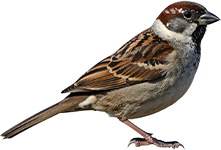
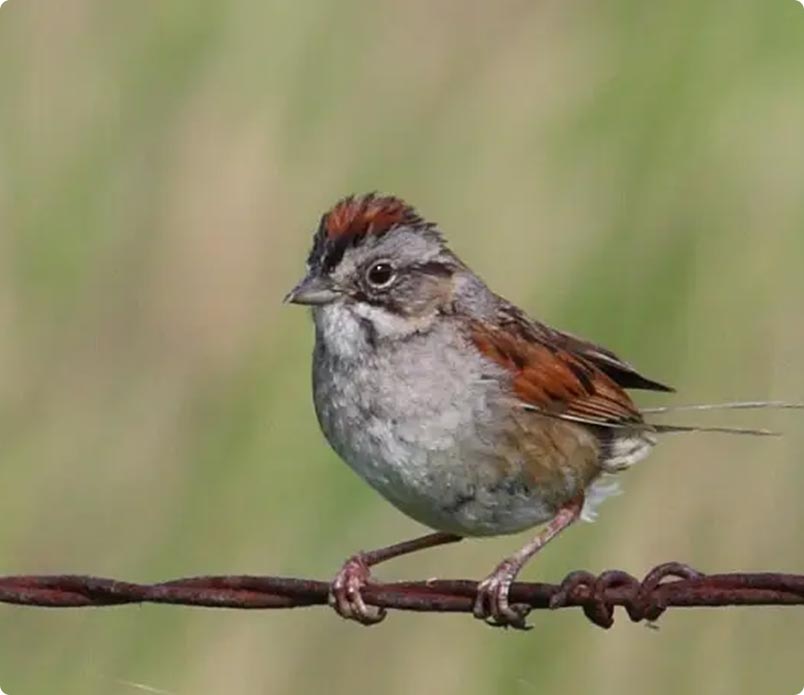
Swamp Sparrow
A small, brownish bird with subtle streaks, the Swamp Sparrow thrives in the marshy wetlands of North America’s boreal forests. It is often found among cattails, sedges, and shrubs, feeding on insects, seeds, and small aquatic invertebrates. Known for its clear, musical trill during breeding season, this bird helps bring life to wetland habitats.
Interesting Fact: Swamp Sparrows build their nests low among grasses and reeds, often hidden from predators in dense vegetation.
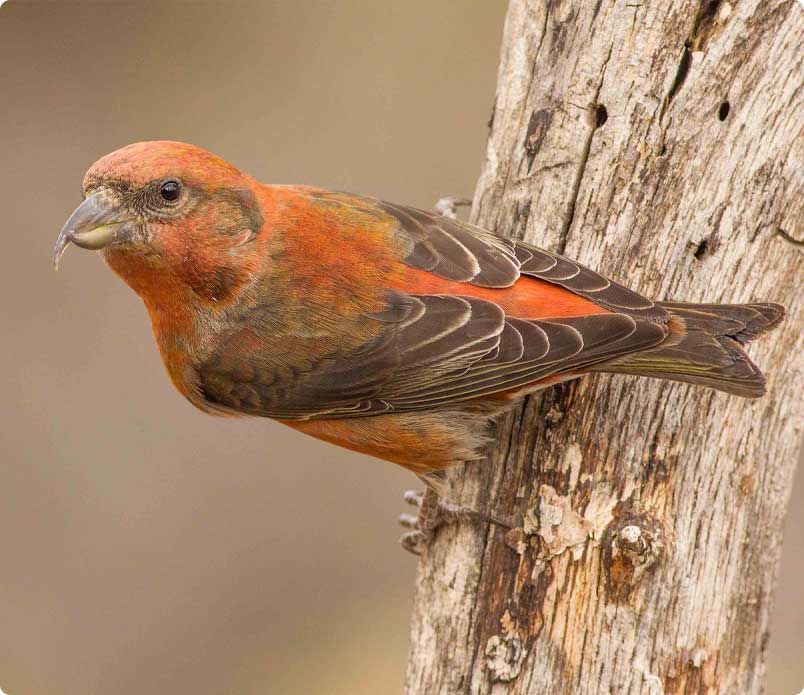
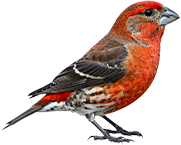
Red Crossbill
A small, brownish bird with subtle streaks, the Swamp Sparrow thrives in the marshy wetlands of North America’s boreal forests. It is often found among cattails, sedges, and shrubs, feeding on insects, seeds, and small aquatic invertebrates. Known for its clear, musical trill during breeding season, this bird helps bring life to wetland habitats.
Interesting Fact: Its bill shape varies depending on the type of pine cones available, making different populations highly specialized.
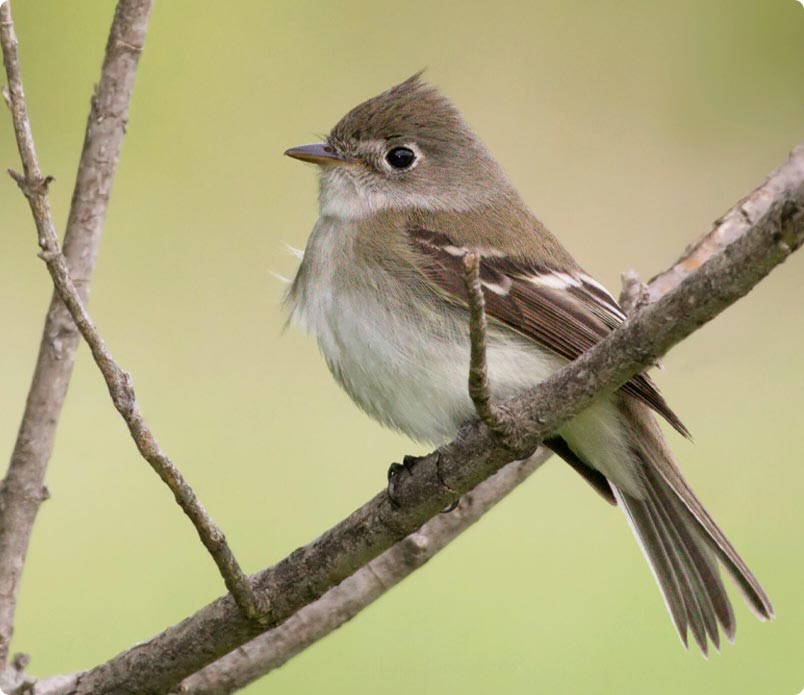
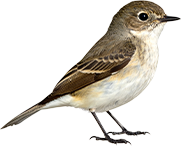
Least Flycatcher
Tiny but lively, the Least Flycatcher is often seen perched on low branches before darting out to snatch flying insects in mid-air. Its soft gray and white plumage helps it blend into the dense foliage of boreal forests, where its sharp “che-bek” call can often be heard.
Interesting Fact: Despite its small size, it migrates long distances to Central America during winter, navigating through forests with precise accuracy.
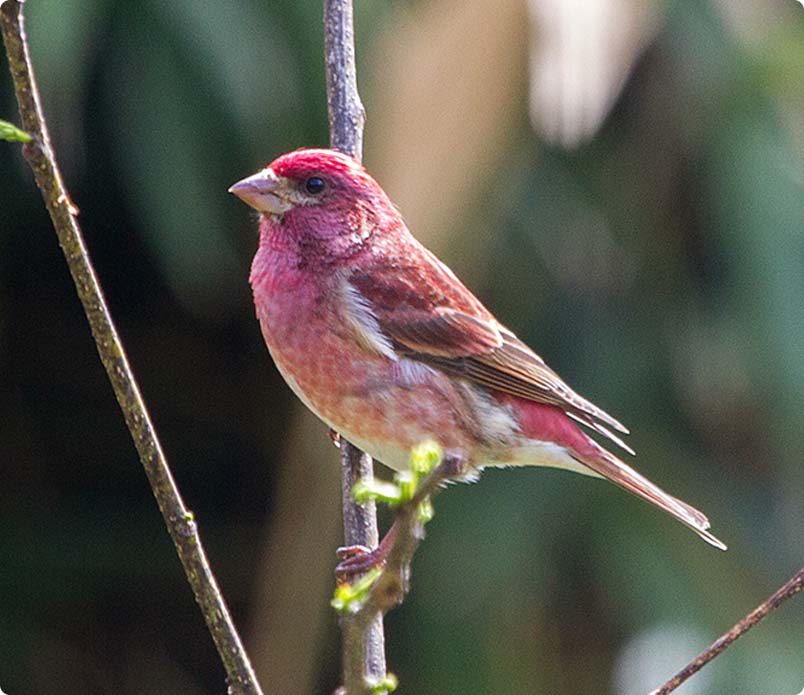
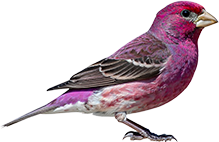
Purple Finch
The Purple Finch has a rosy-red head and chest, beautifully contrasting with brown wings. It inhabits coniferous and mixed boreal forests, feeding on seeds, berries, and insects throughout the seasons.
Interesting Fact: Males are brightly colored, while females are more subdued, aiding in camouflage while nesting. They sing melo-dious, warbling songs.